Product categories

New Products

How to Identify the Quality of Stainless Steel Materials: A Guide for B2B Buyers

Looking for reliable kitchenware? Learn how to identify high-quality 304 vs. 201 material for your wholesale orders. From the magnet test to grade certifications, ensure your stainless steel food container and stainless bento box inventory meets food-grade standards.

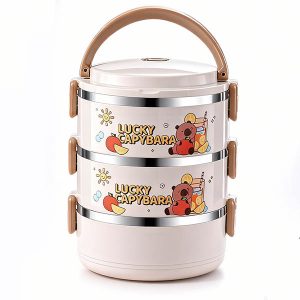
In the competitive wholesale market for kitchenware, the quality of your inventory defines your brand’s reputation. Whether you are sourcing a stainless bento box for a retail chain or a high-volume stainless steel food container order for a catering supplier, understanding material grades is crucial.

Not all stainless steel is created equal. Using inferior materials can lead to corrosion, metallic leaching, and dissatisfied end-users. Here is how to professionally identify high-quality stainless steel for food-grade applications.


1. Understand the Grades: 304 vs. 316 vs. 201

The most common way to categorize stainless steel quality is through its series grade. For food contact, two grades reign supreme:

  • Grade 304 (18/8): The industry standard for any high-quality stainless steel food container. It contains 18% chromium and 8% nickel, providing excellent corrosion resistance and durability.
  • Grade 316 (18/10): Often used in high-end medical or marine equipment, this grade includes molybdenum. It is the premium choice for a stainless bento box intended for acidic foods or extreme environments.
  • Grade 201: A lower-cost alternative where nickel is replaced by manganese. While it looks similar, it is more prone to rusting over time and is generally considered lower quality for long-term food storage.

2. The Magnet Test: A Quick (But Not Foolproof) Check

A common industry “quick check” is the magnet test. Generally, 300-series stainless steel (like 304 and 316) is austenitic, meaning it is non-magnetic or only very weakly magnetic.

Pro Tip: If a magnet sticks strongly to your stainless bento box, it may be made of 200-series or 400-series steel. However, be aware that the manufacturing process (like cold-working or stamping) can sometimes impart slight magnetism to 304 steel.

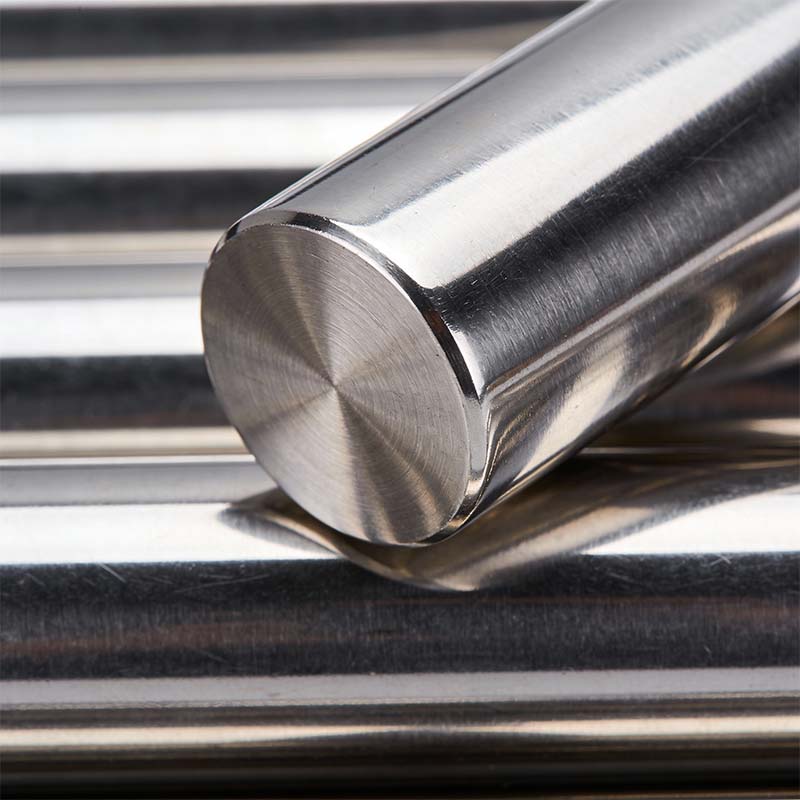
3. Surface Finish and Workmanship

High-quality manufacturing is visible to the naked eye. When inspecting a wholesale stainless steel food container, look for:

  • Uniformity: The surface should be smooth without pitting, dark spots, or uneven “orange peel” textures.
  • Edge Polishing: Premium products feature rolled or deburred edges that are smooth to the touch.
  • Weight: Quality steel has a substantial feel. If a container feels unnaturally light or “tinny,” the gauge (thickness) is likely too thin, leading to warping under heat.

4. Testing for Corrosion Resistance

For bulk procurement, you can perform a “Salt Spray Test” or use professional stainless steel detection liquid. A drop of this reagent on the metal will change color based on the manganese or nickel content, allowing you to distinguish 201 from 304 steel in seconds.

Identifying the quality of stainless steel is about more than just a label; it’s about technical specifications and rigorous testing. By prioritizing Grade 304 and 316 materials, you ensure that every stainless bento box and stainless steel food container you sell reflects the excellence of your brand.

How to Identify the Quality of Stainless Steel Materials: A Guide for B2B Buyers

Product
Email
Home
Contact
Whatsapp