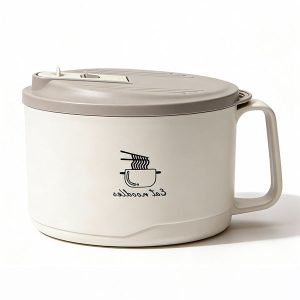
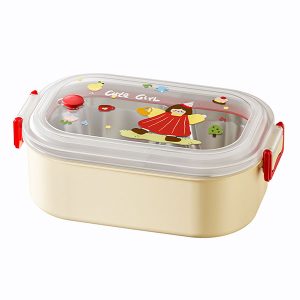
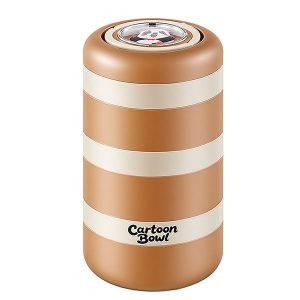
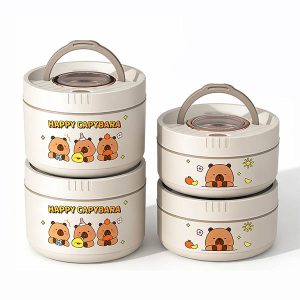
For entrepreneurs and businesses entering the kitchenware market, one of the first and most critical decisions is choosing the right manufacturing model. Whether you are looking to sell stainless steel food containers, camping mugs, or durable coffee cups, the path you choose—OEM (Original Equipment Manufacturing) or ODM (Original Design Manufacturing)—will dictate your budget, timeline, and brand identity.
As a B2B wholesaler specializing in high-quality kitchenware, we understand the nuances of production. This guide breaks down the ODM vs. OEM debate to help you make an informed decision for your next product line.
What is OEM (Original Equipment Manufacturing)?
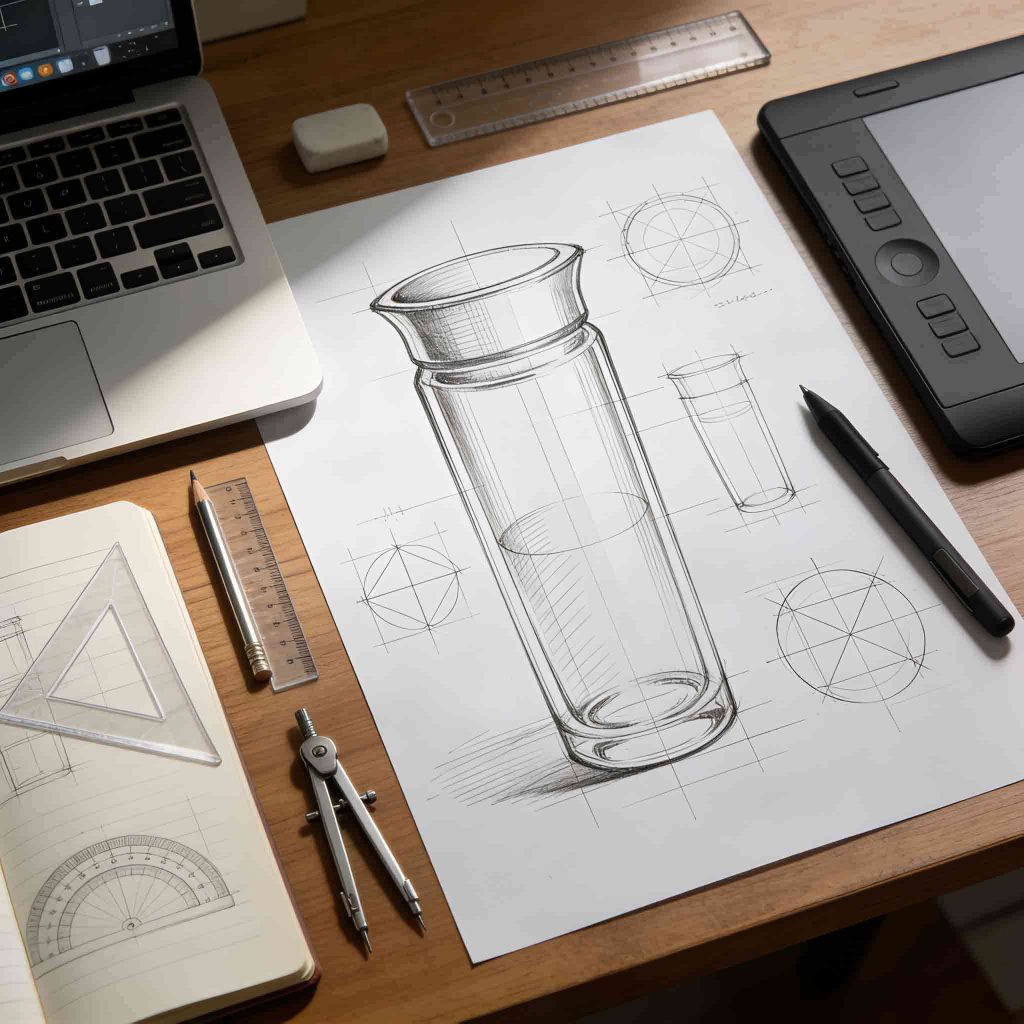
OEM refers to a manufacturing model where the factory produces goods based entirely on the buyer’s unique design and specifications. In this scenario, you own the intellectual property (IP), and the manufacturer acts purely as the production facility.
The “Custom-Built” Approach
If you have a unique design for a stackable stainless steel bento box or a specifically shaped ergonomic handle for a coffee mug, OEM is your path. You provide the blueprints, 3D models, and material specs (e.g., specific grades like 304 or 316 stainless steel), and the factory builds it from scratch.
Pros of OEM:
- Total Creative Control: Your product is 100% unique and customized to your brand’s vision.
- Intellectual Property Ownership: You own the molds and the design rights, preventing competitors from selling the exact same item.
- Brand Differentiation: Essential for high-end markets where unique design is the main selling point.
Cons of OEM:
- Higher Startup Costs: You must pay for new molds (tooling fees), which can run into the thousands of dollars.
- Longer Lead Times: Product development, prototyping, and testing take significantly longer.
- Higher MOQs (Minimum Order Quantities): Factories often require higher volume orders to justify the setup of a custom production line.
What is ODM (Original Design Manufacturing)?
ODM, often referred to as Private Labeling, involves selecting pre-existing product designs that a factory has already developed and branding them as your own. The factory owns the design, but you can often customize elements like the logo, packaging, and sometimes color or finish.
The “Fast-Track” Approach
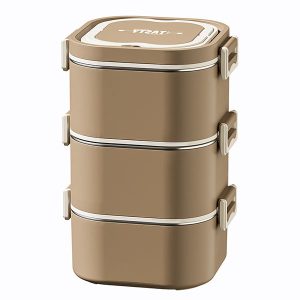
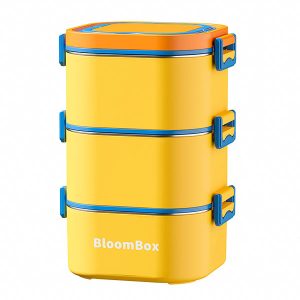
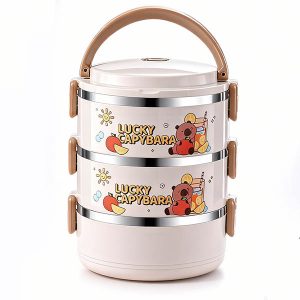
For example, a manufacturer may have a popular line of single-wall stainless steel mugs or standard food storage containers. You select the model you like, have your logo laser-etched onto the surface, and package it in your branded box.
Pros of ODM:
- Speed to Market: Since the molds already exist, production can begin almost immediately.
- Lower Initial Investment: No expensive tooling or mold fees are required.
- Lower MOQs: Factories are often willing to produce smaller batches since the production line is already active.
- Proven Quality: The product has likely already been tested in the market, reducing the risk of design flaws.
Cons of ODM:
- Less Differentiation: Competitors may be selling the exact same product shape, just with a different logo.
- Limited Customization: You are restricted to the factory’s existing dimensions and features.
OEM vs. ODM: Which is Right for Your Stainless Steel Product Line?
To decide, you must analyze your specific product niche. Here is how it applies to common items in our inventory:
1. Stainless Steel Food Containers
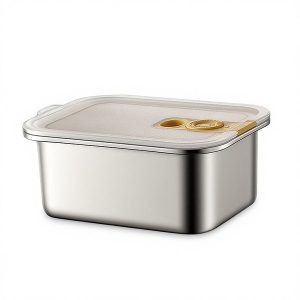
- Choose ODM if: You want to enter the market quickly with standard sizes (e.g., 800ml or 1200ml lunch boxes). The market for standard rectangular containers is established; competing on price and branding (ODM) is often smarter than reinventing the wheel.
- Choose OEM if: You have invented a new locking mechanism, a unique leak-proof seal technology, or a shape that fits a specific niche (e.g., a triangular container for specific bags).
2. Coffee Cups and Mugs (Non-Insulated)
- Note: We are referring to single-wall or double-wall mugs for office or camping use, not vacuum-sealed thermal flasks.
- Choose ODM if: You are looking to sell reliable, aesthetic camping mugs or office coffee cups. Manufacturers likely have hundreds of existing molds for handles, rims, and body shapes. You can differentiate through unique powder-coated colors or artistic logo placement.
- Choose OEM if: You require a specific ergonomic grip or a cup designed to fit a proprietary machine or accessory.
The choice between ODM and OEM depends on your business maturity and strategy. ODM is ideal for startups and brands prioritizing speed and budget, allowing you to launch a professional line of stainless steel drinkware or food containers with minimal risk. OEM is the powerhouse for established brands ready to invest in unique IP and dominate a niche with a one-of-a-kind product.
As your trusted B2B partner, we offer flexible solutions to support your growth. Whether you need a catalog of ready-to-ship ODM premium cups or a partner to bring your custom OEM food container sketches to life, we have the manufacturing expertise to make it happen.